

So, you are in the market for a new home. After saving, budgeting, and doing some shopping around, you are finally ready to apply for your mortgage. Well, did you know that depending on the kind of property you are planning on buying, you will experience a completely different mortgage process?
When you are in the market for purchasing a property, it is important to know the differences between the various property types and how they can affect your mortgage. This mainly includes the big three: primary residences, secondary residences, and investment properties.
So, why are these differences so important to know? Why should lenders care about what you plan to do with your new property?
The fact is, your reason for purchasing a home can have a huge impact on everything including your mortgage rates, how easily you can obtain a mortgage loan in the first place, your down payment, and even your taxes.
If this all sounds confusing, we understand. That’s why we have taken the time to detail everything you need to know about the three main types of properties in this article.
As you read, you’ll be able to learn more about what defines primary residences, secondary residences, and investment properties. You will also learn about how these types of properties can affect your mortgage.
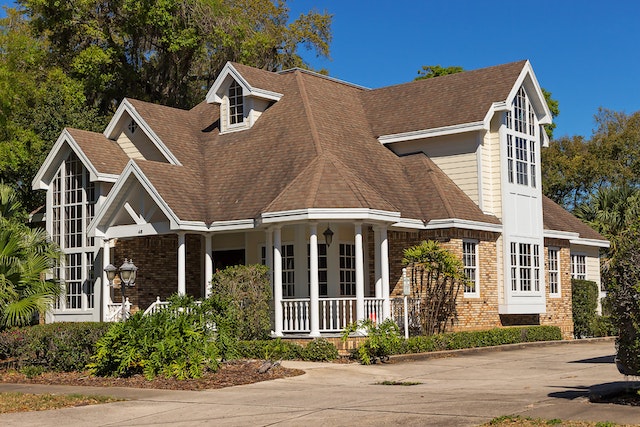
Primary Residence Definition
Your primary residence is defined as the property that you will live in and spend most of your time. Due to the generally low risk for lenders, it can be significantly easier to obtain a mortgage loan for a primary residence than it is for an investment property or secondary home.
When you own your primary home, there will be some costs associated with the property that are tax deductible. Keep in mind that you can only list one property as your primary residence. Further, once you have purchased the property, you will have to live in it within 60 days of closing on the sale.
In order for your home to qualify as a primary resilience, you will need to meet the following criteria:
- For the majority of the year, you must occupy the home.
- The property must be reasonably close to your place of employment.
- You have to move into your new home within 60 days of closing.
- If you choose to refinance the mortgage for your primary home down the road, you must have proper documentation to prove that you have been living there. This can be anything from tax documents to government-issued ID such as your driver’s license.

How to Get a Mortgage Loan for a Primary Residence
Most lenders will offer you the lowest interest rates if you are planning on purchasing a primary residence. This is because they believe that you are most likely to pay back your loan for a home in which you are actually living.
In short, if you are unable to pay your mortgage for your primary residence, you will have much more severe consequences than if you were to end up unable to pay for an investment property mortgage.
Further, it can be easier to purchase a primary residence due to the lower down payment requirements. Some conventional mortgage loans can even go as low as 3% for a down payment, making this a more achievable goal than purchasing any other kind of property.
Secondary Residence Definition
So, now that we know how lenders define a primary residence, what exactly is a secondary residence? Well, this would be applicable if you were to wish to buy a vacation home. This mainly refers to how you plan to occupy the property that you are buying.
So, can you rent out your secondary home when you’re not using it? You can, but it isn’t that simple. You can rent out your secondary home for up to two weeks and keep the income without paying taxes.
However, after that 15-day mark, you will have to report the income that you are making off your property, meaning your property will then be classified as an investment property.
These are the conditions that your property will have to meet to be considered as a second home by your lenders:
- You must live in the property for at least part of the year.
- The property cannot be a part of a rental, timeshare, or property management contract.
- The owner of the home must have sole control over the property after they buy it.
- The property must only have one unit and it must be built to accommodate year-round living.
How to Get a Mortgage Loan for a Secondary Residence
Due to the fact that purchasing a secondary home can be a higher risk for your lender, it will be harder to get a mortgage loan for this kind of property than it would be for your primary residence.
This is because if you are not completely dependent on your secondary home in order to have a place to live, lenders will simply assume that should you fall on a financially tough time, you will stop making your loan payments.
So, what do you need to qualify for a mortgage for your secondary home? For starters, you will need a solid credit score. Then, you will need to pay a higher down payment of at least 20%. Finally, you will have to meet specific cash reserve requirements for your lenders to trust that you are financially stable enough to purchase a second home.
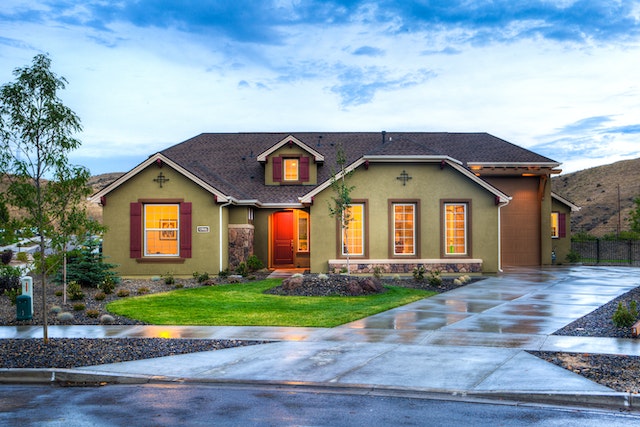
Essentially, this means that you will have to have enough money in your liquid savings to cover a few months’ worth of your mortgage payment should you have an unexpected financial difficulty.
Investment Property Definition
So, now that you know the different kinds of properties that are bought specifically for your own personal use, let’s talk about investment properties.
Investment properties are homes that you purchase for the sole purpose of renting out to tenants or earning a profit off the property. Out of the three types of properties we are talking about today, this kind tends to have the highest interest rates with lenders.
While there are many different kinds of investment properties, this is usually because lenders see the level of risk associated with bringing tenants into the home and the kinds of problems this can cause.
From maintenance issues and property damage to missed rental payments and lost income, there is a far higher capacity for things to go wrong when you rent your property out to tenants versus when you are planning to just live in the home yourself.
In order for your property to be considered as an investment property, it must have the following requirements:
- The home is within 50 miles of your primary residence.
- You are not planning to live in the property.
- You are planning to make a profit on the property by either flipping the home or collecting rent payments from tenants.
How to Get a Mortgage Loan for an Investment Property
The fact is, mortgages for investment properties can be the most difficult to obtain as they tend to have the highest amount of risks associated with them.
This is not only because of the added risk that comes from tenants, but also the fact that if you were to fall on hard times, you will probably prioritize a primary residence over an investment property when it comes to making your loan payments.
When you obtain your mortgage loan for an investment property, it will most likely have a higher interest rate along with a higher credit score requirement. Further, you will need a fairly high liquid asset in order to close the deal. Your down payment will also be at least 20%.
Can I just lie about the type of property I’m buying to get a better mortgage rate?
In short: no, you cannot just lie to your lender. It is never a good idea to misrepresent your intentions for a property that you are looking to purchase using a mortgage loan.
Lenders take their own precautionary steps to ensure that you are being truthful when you purchase a home, so we don’t recommend trying to pull a fast one on them. You wouldn’t be the first to try, and the consequences of mortgage fraud can be severe.
Can I convert any property that I own into my primary residence?
So, can you convert any property you own into a primary residence by simply moving in and calling it a day? Unfortunately, that isn’t exactly how it works.
Since your primary residence will naturally have tax and mortgage benefits compared to other kinds of properties, the Internal Revenue Service (IRS) usually wants to ensure that homeowners aren’t trying to fraudulently claim a property as their primary residence.
Before you attempt to turn your investment property into your primary home, you will ultimately need to contact your mortgage lender to make sure that there are no issues. We also recommend speaking with a licensed attorney or a reputable financial advisor to make sure that you are following all of the IRS rules during the process.
Types of Real Estate: Bottom Line
At the end of the day, the type of property that you are planning on purchasing will have a large impact on your mortgage. If you are looking to buy a primary residence, you will have the easiest time qualifying for a mortgage loan, and you will receive the lowest interest rates from your lender.
If you want to purchase an investment property, however, you may have a harder time reaching your goal, and once you purchase the home, you will definitely be paying the highest interest rates compared to other property types. A secondary or vacation home will also be a bit more costly when it comes to your interest rates and down payment requirements.
If you have any further questions on how the type of property you are purchasing can affect your mortgage rates, or if you need help with any other real estate needs, do not hesitate to contact our team at Blanket. We can’t wait to hear from you!