

Are you a homeowner who’s looking to expand your real estate portfolio by investing in rental properties? Real estate is one of the most lucrative investments that you can choose, and expanding your portfolio to include rental properties can offer a whole list of benefits.
However, it is important to note that acquiring a mortgage for a home versus an investment property are two very different experiences.
In order to truly understand what the differences are between an investment property mortgage and a home mortgage, we will first need to cover what exactly a mortgage is. A mortgage is a loan that you would receive from a bank or another lender in order to help you buy a property.
You will then spend the next several years paying this loan back in monthly payments. It is important to be prepared for the differences between investment property mortgage rules and home mortgage rules.
We know that this can be confusing, so we have used this blog post to detail what exactly those differences are, and how you can best prepare for them.
In this blog post, we will go over what your mortgage rates can look like depending on whether you are purchasing a rental property or a home, and then we will talk about the five main differences between investment and home mortgages.

Finally, we will discuss what to expect from your investment property’s down payment and our top tips for keeping your mortgage costs low. So, if you want to know more, keep reading to see our comprehensive guide to getting an investment property mortgage versus getting a home mortgage!
Investment Property Mortgage Rates
An investment property is classified as any property you are investing in that is not your primary residence and will be used to generate a profit for you, the owner. This ultimately means that the property was purchased for the owner to make an income in real estate.
The reason for buying an investment property may vary between different owners. For example, some owners may purchase a property with the intention to rent it out to tenants long-term.
Or, you may buy an investment property for the purpose of “flipping it”, meaning you would be buying it for the sole purpose of making upgrades and then quickly selling it for profit.
Regardless of why you would purchase an investment property, you may end up needing to take out a mortgage loan to make it happen if you don’t have enough money upfront to make such a large purchase on your own. If this is the case, it is much easier to buy a property using a mortgage, especially if investing in real estate is new for you.

Your rates for a rental property mortgage will fluctuate based on a variety of factors including your credit score, the type of rental property you are purchasing, and the amount of your down payment.
So, how exactly can you acquire a mortgage for your investment property? First, you will need to find a reputable mortgage lender. We recommend finding a local bank or lender rather than a bank that operates on a national level. There are a few reasons that we recommend this.
First, a local lender is more likely to agree to invest in your real estate endeavors. Second, they will be more likely to charge a lower down payment. Your downpayment is the amount of money that you are paying upfront to own the property.
For example, if you are buying a property for $200,000, and your down payment is 10%, then you will be paying $20,000 upfront with your mortgage loan covering the remaining $180,000 required to buy the property.
When it comes to an investment property, the lower your down payment is, the better. This will make it easier for you to expand your real estate portfolio faster.
Investment Property Financing vs. Buying a Home: 5 Main Differences
There are many differences between acquiring a home mortgage loan and an investment property loan. From your interest rates to your down payment, there are many things to consider depending on which mortgage you are trying to get.
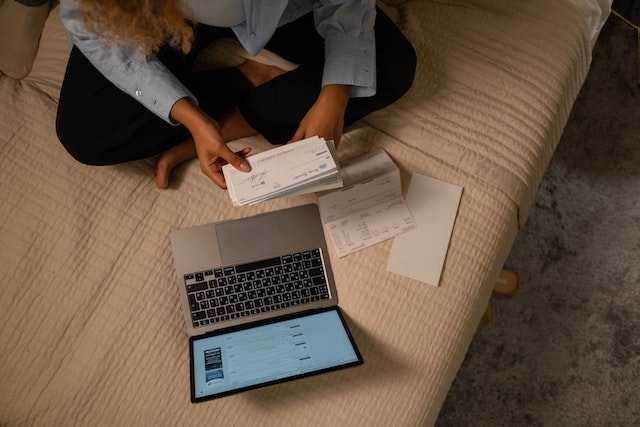
Here are the main differences to be aware of:
1. Investment Properties May Mean Higher Interest Rates
On average, owner-occupied property loans tend to be about 0.4 to 0.7 percent lower than the typical investment property loan. Basically, this means that if you choose to invest in a rental property, you may have to consider a higher interest rate in your monthly mortgage payments.
To help combat this extra cost, we recommend getting your credit score as high as possible. This will help you get lower interest costs when applying for a mortgage loan, which will only mean a higher return on your investment in the long run.
2. You May Face Extra Costs when Purchasing an Investment Property
As any homeowner knows, the process of purchasing a house is often not exactly what you expect. In fact, many costs can pop up along the way that you may not anticipate.
Working with a lender and a realtor that you can trust will help you know exactly what fees you can expect in the closing process. When you purchase an investment property, you may face extra lender fees.
3. Investment Property Loan Down Payments May Not Be as Straightforward as a Home Loan Down Payment
The thought of making a large down payment on a property is often intimidating enough to deter new owners entirely. If you are looking to buy a new home, you may be able to get a deal that allows you to have a lower down payment.

If you are a first-time homeowner, you may even be able to pay as low as 6% of a down payment for your new property.
However, such deals may be harder to acquire for someone who is looking to buy an investment property. On average, the minimum downpayment for investors is usually around 15 to 25%. This means that you need to be prepared with a larger down payment if you are looking to invest in a rental property.
4. Your Mortgage Time Period Will Differ
A home mortgage will typically last for up to 30 years. An investment property mortgage, however, will usually last anywhere from one year to twenty years.
5. You Will Have a Different Income Verification Process
When you are going through the process of acquiring a home mortgage from a bank or lender, you will be required to present any documentation that proves that you have an adequate source of income.
This is to prove to your lender that you will reliably have enough money to pay back your loan on time every month. The lender will then determine if the buyer has a sufficient debt-to-income ratio.
For acquiring an investment property mortgage, however, the income verification process is a bit different. It mainly requires receipts from tenants’ past rent payments to prove that you are actually generating income with your past investment properties.

Further, the lender will most likely verify your net income, your cash flow, and any other related metrics that show your success in real estate. Last but not least, you may also be requested to provide your lender with a solid business plan if you want to even be considered for a mortgage loan.
In short, your lender will want to know that you will be able to generate enough income to pay them back.
Our Top Tip for Buying a Rental Property? Minimize Your Costs!
When it comes to purchasing an investment property, you will want to minimize your initial costs to ensure that you are actually able to generate a profit in the long run. The downpayment of an investment property is often the most difficult hurdle that you will need to overcome.
Unfortunately, even if you have excellent credit and a stable income, you cannot get around this. However, there are some ways to minimize your costs and increase your return on investment.
Here are our top tips for making sure that you are paying less than you need to when it comes to your rental property:
1. View Your Investment Property as a Real Business
Treating your investment property as a business can help you approach your financial strategy more effectively. As your real estate investments appreciate in value over time, you will have an easier time balancing your financial assets.

2. Reduce Your Financial Risks by Acquiring an LLC
If you are looking to become a full-time landlord once you have purchased your first few rental properties, we recommend that you consider protecting yourself and your assets with an LLC.
This is the most common kind of entity that real estate investors use. Your LLC will protect your rental property and limit the amount of personal liability that will be on your shoulders should you get into an unfortunate situation that results in a tenant or contractor suing you.
3. Don’t Forget About Tax Season!
When it comes to doing your taxes, many landlords don’t realize the amount of tax breaks they can benefit from. The fact is, many landlords are too busy to truly get the most out of tax season, meaning thousands of dollars in deductions can get overlooked every year.
From moving costs to mortgage points, there are countless things that you can use to get tax deductions. When you buy an investment property, every bit of savings counts, so don’t let them slip through the cracks. We recommend working with a property manager to take care of the day-to-day responsibilities of owning a rental property.
Luckily, property managers can provide guidance on how you can save as much money as possible in this upcoming tax season.
Rental Property Loans: Bottom Line
As a landlord, it is crucial to know that the process for buying a rental property differs greatly from purchasing a home that is intended for personal use. If you have made it this far in our blog post, then you are now more prepared than ever for these differences.
Whenever you end up buying your next investment property, we want you to be able to keep your costs low, maximize your income, and be prepared for any extra fees that may come along with getting a mortgage for your rental home.
If you have any further questions regarding how to get a mortgage for your next investment property, contact our team at Blanket. We are confident that with our expertise, the process can be easier than ever!