

Are you thinking about investing in a rental property for the first time? We know that while it may feel like a large risk, there are many benefits that come with owning and operating a rental property. However, it’s important to know what to expect before fully taking the leap.
Being a landlord can be hard work, but it can come with a high reward if it’s done right. Not sure where to start? Luckily, we do! In this blog post, we’ll take you through 16 steps that you can take to get your real estate journey started.
Becoming a Landlord in 16 Steps
1. Consider Whether or Not Being a Landlord Is the Right Role for You
Before you start your journey as a rental property owner, it is important to consider this question: is being a landlord the right job for me?
The truth is, becoming a landlord takes a lot of hard work and responsibility. At the end of the day, you will be in charge of managing your tenant’s housing, which is a big deal. From following local landlord-tenant laws to dealing with problem tenants and everything in between, you will need to be prepared for anything.
Aside from the hard work associated with owning a rental property, you also must ensure that you are financially prepared for this step. Make sure that you have enough capital to begin with, and ensure that you are familiar with the various ways that landlords make money over time.

2. Read Up on Landlord-Tenant Laws
As a landlord who is just starting out, the last thing that you will want to deal with is legal trouble. That’s why it is absolutely crucial that you are familiar with all the landlord-tenant laws in your state.
These are the following types of laws that you will have to be aware of:
- Federal laws: These typically cover topics such as discrimination and your responsibilities regarding environmental and health standards. Read over the Fair Housing Act and stay informed about updates to federal landlord-tenant and fair housing landlords.
- State laws: These regulations usually cover topics such as evictions, living standards, a landlord’s right to enter a rental property, maintenance, and security deposits. These laws tend to change over time, so it is crucial to stay up to date.
- Local laws: These laws will regulate aspects of your property including the structure, facilities, and essential functions like heat and water. Certain areas may also enforce things like rent control, security deposits, and evictions.
3. Familiarize Yourself with Your Local Rental Market
Before you decide to purchase any rental properties and become a landlord, it is important to analyze your local rental market. First, you will want to choose a location and neighborhood to purchase an investment property in.
A proper neighborhood analysis will involve determining the average listing price, rental income, cash-on-cash return, and Airbnb occupancy rate. This should help you narrow down the best neighborhoods to invest in, and which one will give you the best return.

4. Sort Out Your Budget
When you choose to become a landlord, you are starting a business. Just like any business, being a landlord comes with startup costs. That’s why it is so important to start out with a budget.
Before purchasing a rental property, it is important to make sure that you have enough capital to cover all of the expenses that you will be faced with at the beginning of the investment.
Further, you want to ensure that you will be able to charge enough for rent every month to cover your ongoing expenses. This includes your monthly mortgage payments, maintenance and repairs for the property, insurance, property management fees, and utilities (if your tenants don’t pay their own utilities).
5. Purchase Your Rental Property
Now that you have sorted out your budget, determined the neighborhood that you want to invest in, read up on your local laws, and prepared yourself for becoming a landlord, you are ready to purchase your first investment property.
Once you have found the right one, you may want to enlist the help of a licensed and experienced real estate agent. This can help you ensure that you are offering the right amount in the buying process, in addition to helping you negotiate with the seller to get the best price possible.

6. Get Insurance
One thing that is essential to the health of your rental property business is insurance. As you know, there is a long list of things that can potentially go wrong with a rental property. That’s why you need to purchase landlord insurance on top of your standard homeowner’s insurance.
Further, many landlords require tenants to pay for renter’s insurance as a part of their lease agreement. We highly recommend doing this, as it can really pay off in case of emergencies. Insurance is a good idea for both you and your tenants.
7. Prepare for New Tenants
Now that you have your rental property purchased, you need to get it ready for your future tenants! Depending on your budget and the property you purchased, this could include a long list of tasks and upgrades.
If you were able to purchase a single-family rental property that already has tenants occupying the space, then you may not have a whole lot to do. However, if the property is empty when you purchase it, you may want to do the following:
First, you will want to make sure that all of the rooms are freshly repainted if needed. Neutral colors are always encouraged.
Next, make any repairs that are needed within the home. This includes fixing any leaky pipes or faucets, fixing any rips or tears in any carpets, and conducting a property inspection of the electrical system.
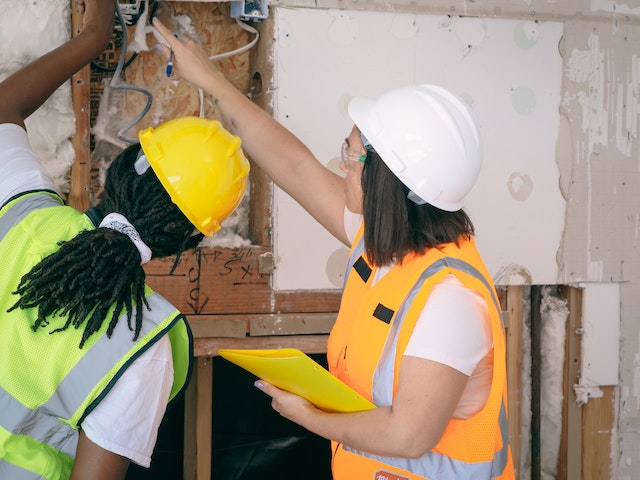
After your repairs, you will need to ensure that all of the property’s safety systems are functioning. This includes smoke and carbon monoxide detectors.
Finally, you will want to conduct a thorough deep clean of the rental property. You may be able to do this yourself, or you can hire a professional cleaning company to come in and do this for you.
Now that the property itself is prepared for your new tenants, you will need to determine what your policies for your property and your lease agreement will be. Will you allow pets? If so, will you opt for a refundable pet deposit or a non-refundable pet rent?
Many tenants have pets and will be looking for a property that allows them, so deciding to let pets live on the property could make it easier for you to fill a vacant property quickly. However, pets also tend to cause a larger amount of wear and tear to the property.
Will you have late fees for tenants who do not pay their rent on time? Will you have any penalties for breaking a lease early, and if so, will you include exceptions? Will you allow your tenant to sublet the home?
All of these things must be considered before you start renting out your property, as you want to make sure that your policies are clear in your lease agreement.

8. Build Your Team
Developing a strong team to work with is the best way to set your new business up for true success and avoid the common pitfalls that many new investors run into. Here are some team members that we recommend finding:
Property Manager
While yes, you can certainly opt for managing a property on your own, hiring a property manager to help you can make life a lot easier. This will allow you to pass off a lot of the more tedious responsibilities to someone else.
Attorney
While you may not need an attorney in the beginning phases of your investment journey, you will most likely need one eventually as your business grows. Finding a reliable attorney at the beginning of your career will help you avoid the hassle later. An attorney is crucial to your business for multiple reasons.
They will be able to help you navigate tricky situations such as disputes, evictions and compliance proceedings. Further, they can help you write up a solid lease agreement and help you avoid any trouble down the road.
Contractors
While you may or may not be pretty handy when it comes to household repairs, you should always prioritize gathering a list of reputable contractors and creating good relationships with them. This is especially important if you choose not to work with a property manager.

Try to compile a list of trusted plumbers, carpenters, exterminators, inspectors, and electricians now so that you won’t have to scramble to find someone when an issue does arise down the road.
Accountant
The financial side of your investment is arguably the most important. Therefore, you will need to work with a trusted accountant to track your expenses and income, in addition to helping you out during tax season.
9. Market Your Rental Property
With the business side of your rental property all set up, it is finally time to get some tenants! First, though, you will have to let prospective tenants know that your rental property is available. You can do this by having a solid marketing strategy in place.
You will want to use a few different methods to advertise your rental property. First, create your listing. Take the time to capture high-quality photos of the property that give off a cozy atmosphere that prospective tenants can truly see themselves living in.
Then, write a brief description of the home including any amenities or unique features that your property has to offer. This can be anything from in-suite laundry to a fully fenced backyard. List the number of bedrooms and bathrooms, and highlight any upgrades you have made.

Be sure to include all of the requirements that you expect from tenants as well. For example, if you don’t allow pets in the home, you must include that in the description so prospective tenants with pets don’t waste both of your time by applying. This will help narrow down the tenant pool before you even start your screening process.
Once your listing has been created, you will want to post it in multiple places. Consider all of the major, high-traffic websites such as Zillow or even Facebook Marketplace. You can also use more traditional methods such as placing a sign in front of the property.
10. Find High-Quality Tenants
Once your property has been advertised effectively, you will most likely attract a wide pool of prospective tenants who will be looking to apply to occupy the home. This is when the tenant screening process starts.
One of the largest aspects of being a successful landlord is finding high-quality, long-term tenants. Your property will be infinitely easier to manage if you have good tenants who treat the property as if it is their own, pay their rent on time every month, and keep you up to date on any necessary repairs in the home.
Then, after their lease term is over, if you have built a positive relationship with them, they may even become long-term tenants that can keep your occupancy rate high.

But how can you find such a tenant? This involves a detailed and thorough tenant screening process. Run background and credit checks, talk to applicants’ previous landlords, verify their employment, and even sit down face-to-face with a tenant to find out whether or not they will be the right fit for your property. Ensure you’re adhering to fair housing laws during the process.
11. Write Your Lease Agreement
Crafting the ideal lease agreement should be top of mind for any landlord looking for a new tenant. Owning a rental property can involve a wide range of risks, and you want to make sure that you are covered by a legal document should things go downhill over the duration of a tenancy.
Having a written and signed document to refer to throughout the tenancy is always a good idea and is crucial for protecting yourself and your business. In your lease agreement, be sure to include the cost of rent, when it will be due each month, and any other details that are relevant to the tenancy.
12. Collect a Security Deposit
Once your tenant has been chosen and you have both signed your lease agreement, you will need to collect your security deposit. This will help you prevent financial loss should you end up with a tenant who causes damage to the property.
Even if your tenant is responsible, accidents happen, and it is always a good idea to have the deposit in your back pocket should anything happen.

Each state will have its own set of laws surrounding the amount of a security deposit, as well as how you should hold it, how you should return it at the end of the tenancy, and when you will be allowed to use it. Make sure to brush up on your state’s laws before you collect a deposit.
13. Understand Your Responsibilities as a Landlord
As a landlord, it is crucial to be aware of your legal responsibilities compared to the responsibilities of your tenant. These are some basic responsibilities that you will need to cover at all times:
- Ensuring your tenants always have access to clean water, heat, electricity, and sanitation (example: a functioning bathroom).
- Taking care of any pest infestations in the home should they occur.
- Providing a fire-safe environment for your tenants.
- Making sure the property is secure and abides by local safety codes.
14. Maintain the Property
Over the years, your rental property will most likely be prone to normal wear and tear as tenants occupy the space. While this is completely normal, it can be a pain to deal with. However, you will need to perform some basic maintenance on a regular basis in order to avoid larger, more costly repairs in the future.

We recommend having a routine in place for preventative maintenance. For example, set up a plan for when you will be conducting routine property inspections. By enlisting a reliable contractor or inspector to look over the property once every season, you will be able to catch any potential issues early enough to prevent them from growing.
While this may cost you money in the moment, avoiding your maintenance responsibilities will only hurt your business in the long run. Further, your tenants will most likely appreciate the effort that you and your team are putting in to keep the home well-maintained. This will allow you to keep your tenants long-term.
15. Keep Records of Everything
Let’s face it, being a landlord naturally comes with a lot of paperwork and bookkeeping. Even if you only have one rental property in your portfolio, you will still need to spend a considerable amount of time sorting through and handling various papers and records.
Whether it’s tenant screening reports, tax documents, invoices, or any other document related to your property, it is important to keep everything on file and organized should you need it eventually. At the end of the day, you never know when a document could come in handy!

16. Determine Whether or Not You Will Need a Property Manager
As we went over at the beginning of this blog post, being a landlord tends to be a lot of hard work. However, if you are overwhelmed by the amount of work that this job requires, you don’t have to be! Hiring an experienced and reputable property management company can help you take a more hands-off approach to your investment property.
Property managers would essentially take on all the responsibilities that come with owning a rental property. Whether it’s maintenance, screening tenants, inspections, bookkeeping, or just handling issues that can often arise with rental properties, they will be able to take it all off your hands.
Having a manager on board can help you make passive rental income with your rental property, without all the work and stress. In fact, you may even make more money than before!
Of course, there are many landlords who manage their own rental properties successfully; it can definitely be done! However, if you find yourself getting overwhelmed or feeling like your rental property is not living up to its true potential, you may want to consider bringing a property manager on board to help.
How to Become a Landlord: Bottom Line
At the end of the day, it takes a lot of hard work determination, and organization to become a landlord. But that doesn’t mean you should be too intimidated to try! As long as you are prepared for the long road ahead of you, we are confident that you will be able to succeed. If you have any more questions about how to get started in real estate, contact Blanket today.