

Many rental property owners are hesitant to open up their rental homes to tenants who are pet owners. We understand why! Pets can present a fair amount of risk to your property, and we know that as the owner, you always want to do what is best for your investment.
However, allowing tenants to bring their furry friends to your rental property can also bring many benefits to your business. In order to make the best decision about whether or not to allow pets in your rental property, you will need to weigh the risks and the rewards of a pet-friendly home.
In this post, we will talk about why we think it is ultimately a good idea to allow pets in your property, while also discussing the disadvantages that may come along with them so that you can be prepared to handle them. So, keep reading to find out more!
The Risks of Allowing Pets in Your Rental Property
Before we discuss the many benefits that come with making your rental property pet-friendly, let’s quickly go over the four main risks that are involved with the decision. These are the reasons that many landlords choose not to allow their tenants to have pets in their investment properties:

1. Property Damage Caused by Pets
This is the biggest and most likely risk that you may face when bringing pets into a home, and it is especially common if the tenant happens to be an irresponsible pet owner.
Pets can chew on baseboards and carpets, scratch doors, damage the property’s landscaping, and do other damage out of boredom, stress, or playfulness. This would be considered damage, not normal wear and tear to your property.
2. Disturbing Neighbors
Animals, especially dogs, have a tendency to be noisy. You may find yourself having to deal with complaints from neighbors about a barking dog or a cat that wanders into their garden. If you own a multi-family property, you may have to deal with the tenants who live below a unit with pets complaining about hearing them run around or bark.
3. Potential for Injuries
Sometimes, if a tenant has a pet that is not properly trained or is threatened, they can end up causing injury to another animal or a person. When you are considering allowing pets into your rental property, it is important to take this possibility into consideration.
For this reason, we also recommend updating your insurance to cover personal liabilities that involve injuries caused by pets.
4. Pet Odor
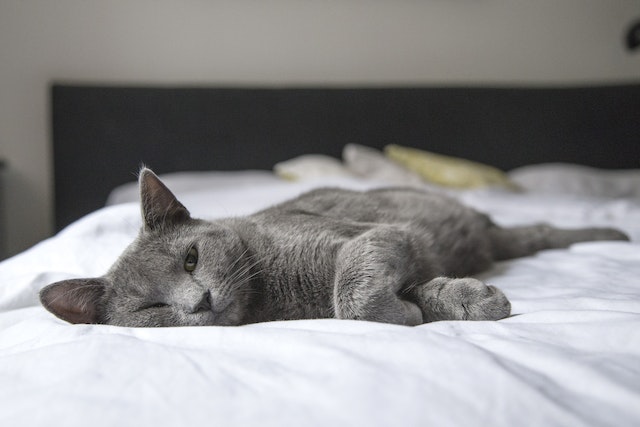
Let’s face it, many pets have a tendency to leave behind odors that are not easy to get rid of in the long run. These smells can potentially deter new tenants from wanting to rent your property if you are unable to fully get rid of them after the pet has moved out of your rental.
This is especially common with cats whose litter is not cleaned often enough or other animals that have not properly been groomed.
The Benefits of Making Your Rental Property Pet-Friendly
Now that we are familiar with all the risks that are involved with making your rental property pet-friendly, you will be able to better prepare for them should you choose to allow animals into your rental property.
Further, you will most likely be able to avoid many of these potential issues by simply screening the tenant and making sure they are a responsible and reliable pet owner before signing the lease. You can also screen the pet!
Now, let’s go over some of the many benefits that come with making your property pet-friendly!
1. Make Your Tenants Happier
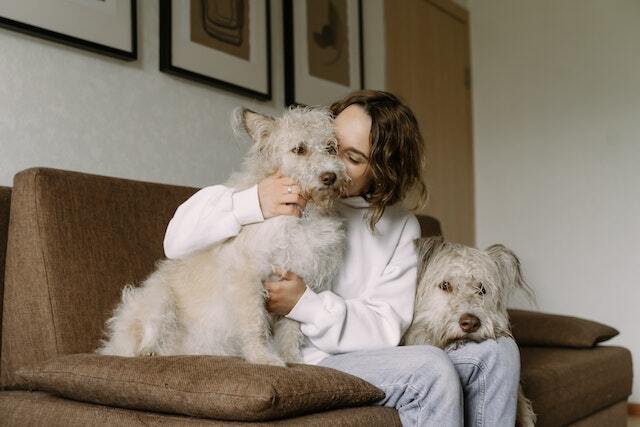
Many pet owners can say that their furry friends add value and happiness to their lives. By allowing your renters to have pets when they occupy your rental property, you are helping to ensure that your tenants are the happiest that they can be.
2. Find a Larger Pool of Prospective Tenants
In the United States, pet ownership is extremely popular, and it has only gone up over time. According to Forbes reporting on recent studies, 66% of Americans own a pet. Plus, if you have a rental property that is marketed towards a younger demographic, you will be even more likely to run into prospective tenants who own a pet.
By allowing pets in your rental property, you will be able to attract a wider pool of renters in your application and marketing process. This will ultimately help you find a new renter a lot faster than if you don’t allow pets. In short, the more options you have, the easier it will be to find a new, high-quality tenant.
3. Boost Your Occupancy Rate with Long-Term Tenants
At the end of the day, not all rental properties will be open to pets occupying the space. This means that you will be able to stand out from your competitors with both new tenants and existing ones. Your current tenants will most likely want to stay at your rental property for a longer amount of time if you allow them to live there with their pets.
It can be time-consuming and costly to find a new home, especially if you own pets, so this can help you retain high-quality tenants for a longer amount of time.
4. Find More Responsible Residents
The fact is, caring for a pet is a huge responsibility that requires a lot of dedication and hard work. From handling a regular feeding and exercise schedule to being able to afford vet appointments, most pets come with a long list of challenges and tasks to take care of on a regular basis.
More often than not, these responsibilities make for a pretty reliable tenant. Choosing a renter who is capable of handling a pet is often a great indicator that they will be equally as responsible with your rental property and all that comes with being a great tenant.
5. Increase Your Rental Rate
In order to properly take care of a pet, you must be able to pay for a long list of expenses. This includes food, grooming, vet appointments, pet supplies, pet insurance, and more. Most pet owners are also prepared to pay what they need to make sure that they can take their pet with them to their new home.
This includes things like pet rent, or a fee/deposit. As a rental property owner, you could increase your income simply by allowing your tenants to bring pets into the home.
Further, if you happen to be one of the select few rental properties in your area that accept pets, you can most likely get away with charging a little more in rent each month, as most pet owners will already expect this.

However, it is also crucial that you are familiar with your local laws before making any changes to the price of your rental property or requiring any kind of pet rent or nonrefundable fee.
Other Things to Keep In Mind
Whether or not you decide to allow pets into your rental property, there are a few things that you must keep in mind when it comes to your tenants and their furry friends.
Complying with Fair Housing Law
While you may not want to make your rental property pet-friendly, there are some situations where you may not have a choice. According to Fair Housing Laws, any tenants with disabilities are legally entitled to have an assistance animal. It is important to note that these animals are not considered pets under the law.
This means that even if you choose to have a strict no-pet policy in the lease agreement for your rental property, you will not be able to turn down a tenant simply because they have a service animal.
Including a Pet Policy in Your Lease Agreement
One of the most crucial things that you will need to do should you decide to allow pets in your rental property is to include a solid pet policy in your lease agreement. Make sure that it is clear and that there is absolutely no room for confusion between you and your tenant regarding your rules surrounding their pets.

Include your pet fees, the number of pets allowed in the home, any additional fees for multiple pets, policies surrounding damage caused by the pet, and more. Make this section of your lease as detailed as possible, and ensure that it is present in all leases, including ones with tenants who do not have pets.
Your tenant may choose to get a pet later, and you want to make sure that your expectations and policies regarding animals are clear from the beginning. Even if you do not allow pets in the property, make sure to state that clearly in the lease agreement.
Understanding Your Insurance Coverage
If you do in fact choose to allow pets in your rental property, then you will definitely want to review your insurance policies and your liability coverage, making sure to adjust where needed. At the end of the day, it is always best to prepare for the worst than to scramble if an emergency does happen.
This is particularly crucial if you are facing injuries that are caused by a pet. Some insurance companies may have different policies for different pet breeds, and you want to make sure that if the worst does happen, you don’t have to cover the costs on your own.
Renting to Tenants with Pets: Bottom Line
Making your rental property a pet-friendly home is a big decision that requires a lot of consideration from all angles. While there may be some risks associated with allowing pets in your rental home, we think that the benefits are often worth it.
Between increasing your income and giving your occupancy rate a boost, there are a lot of reasons why allowing your tenants to have pets in the home can be a great decision for you and your business.
If you have any other questions about whether or not you should allow pets in your rental property, or any other aspect of your real estate investment, contact our team at Blanket today! We are here to help and can answer any questions that you may have. We can’t wait to hear from you!