
If you are a rental property owner, it is crucial to keep your rental home in top shape. This is important for not only your tenants but for the overall condition of your investment. But what all goes into making sure that your rental property is well maintained? The truth is, it takes a lot of dedication and care to successfully maintain your property.
If you work with a property manager, you might not know the full extent of the work they put into keeping your property in its best condition. In this article, we’ll cover the maintenance responsibilities your tenants have and the responsibilities of landlords and their property managers.
Rental Property Maintenance Responsibilities for Landlords
As a landlord, it is your legal responsibility to make sure that your rental property remains habitable for your tenants. But what exactly does that entail when it comes to regular maintenance?
While specific landlord maintenance responsibilities can vary from state to state, these are the general rules that we recommend following when it comes to keeping your rental property habitable:
Providing Tenants with Proper Trash Disposal
As the owner of the rental property, you will be in charge of ensuring that your tenants always have a place to dispose of their garbage. Additionally, it is important to make sure that the size and number of trash bins provided are appropriate for the number of tenants living in the property.
Ensuring That Tenants Always Have Access to Running Water
Each and every tenant needs access to running water when they are occupying your rental home. This is a legal requirement of all landlords in the U.S., referred to as the Implied Warranty of Habitability.
This includes a working shower, sink, and toilet. Further, you must also ensure that the water heater is always functioning so that your tenants are able to access hot water. Working with a property manager makes keeping track of the various legal requirements you have as a property manager so much easier.
Following Any and All Necessary Building Codes
As we know, it is crucial for landlords to provide tenants with a safe environment to live in. That’s why you will have to follow any building codes that are applicable to your rental property. This includes limiting the number of tenants living in the home, providing smoke and carbon monoxide detectors, maintaining the home’s structural integrity, and more.
Keeping the Common Areas of Multifamily Properties Clean
If you own a multifamily rental property, it is important to make sure that the common areas of the complex are clean and safe. For example, any stairs present must have a stable and reliable banister. The lighting must also be functional. We highly recommend working with a property manager if you own a multifamily property – looking after multiple units on your own can be overwhelming!
Make Any Necessary Repairs Quickly and Frequently
Respond to all repair requests from your tenants promptly. Should an issue in the home arise such as a broken HVAC, a plumbing leak, mold issues, or a broken lock, it is crucial to fix it as soon as possible to ensure your tenants remain safe in the property.
This will help your property stay in top shape, and it will help you keep tenants for longer periods of time.
Ensure that all the mechanical necessities of the home are functioning.
All the vital aspects of a home, including the electrical system, heating, plumbing, and gas must be functioning at all times.
Here are some other responsibilities that you may have as a rental property owner or manager:
- Maintain the structural integrity of the roof, attic, sidewalks and driveway of the property.
- Take care of any pest infestations as soon as they are noticed.
- Provide your tenants with functioning smoke alarms, in addition to carbon monoxide detectors.
- Do your best to ensure that your tenants are not disrupting the neighbors or your other tenants in the building.
- Screen all of your tenants thoroughly before choosing someone to occupy the space. Conduct thorough background checks, verify their employment, and look into their rental history to make sure that they have a good history of respecting their previous rental properties.
- Conduct frequent property inspections on both the interior and exterior areas of the home to make sure that you are able to catch small repairs as soon as possible. This will help you prevent large and costly maintenance issues.
Rental Property Maintenance Responsibilities for Tenants
While you as a landlord are responsible for many aspects of the maintenance of your property, there are also some responsibilities that belong to your tenants. A property manager can help you create a solid lease agreement that clearly outlines your tenant’s maintenance responsibilities during their tenancy. Here are some things that your tenants must be doing to keep your property in top shape:
Keeping the Home Reasonably Clean
Your tenants need to keep the home reasonably clean and free from any sanitary hazards. For example, letting excessive amounts of garbage pile up in the unit could create a health issue for them and your other tenants such as pest infestations and breathing problems.
Keeping the Home Free of Any Safety Hazards
All emergency exits in a rental home must be accessible, and it is your tenant’s job to make sure that nothing is blocking these points. Your tenant is also not permitted to tamper with the smoke alarms in the unit.
Following the Necessary Building and Housing Codes
Just like landlords, tenants are required to follow building codes and landlord-tenant laws in their state. For example, if your tenant has signed a lease that allows two people to live in the home, they are not permitted to sneak another tenant into the unit without permission.
This can result in fire or safety hazards, in addition to other costs that you will have to pay for such as a higher amount of normal wear and tear on the property.
Prevent Mold Growth in the Home
It is your tenant’s job to ensure that they are doing everything in their power to avoid the growth of mold in their rental unit. This includes not allowing water or moisture to sit in one are of the home and reporting any small mold issues right away.
Maintain an Overall Respect for the Property
A tenant’s primary responsibility while occupying your property (other than making timely rent payments) is to treat it with respect and avoid damaging the home. This includes keeping it reasonably clean and not abusing or neglecting the property.
Your tenant must keep all of the house’s fixtures clean and used for their intended purposes. For example, your tenant should not dispose of their garbage by flushing it down the toilet or pouring cooking grease down the drain.
If you have provided your tenants with any appliances, they must be kept clean and taken care of. For example, excessive grease should not be allowed to build up around the stove or in the microwave.
While normal wear and tear will happen over the course of a tenancy, such as a leaky faucet or a loose doorknob, your tenants need to avoid damaging the rental property to the best of their ability.
What Can Your Tenants Do to Help Maintain the Property?
While tenants have a set of legal responsibilities when it comes to maintaining the rental property, there are some other ways that they can help you keep the home in top shape over the duration of their lease period.
Maintenance Work in Exchange for Reduced Rent Costs
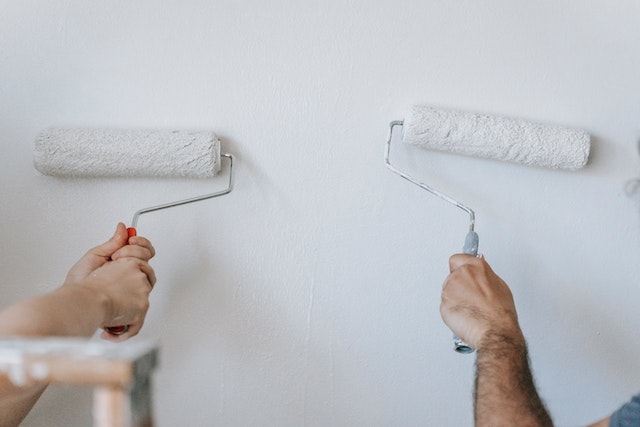
Depending on how much responsibility your tenants are willing to take on, you may be able to negotiate a deal with them where they do maintenance work on the home in exchange for a discount on their rent. Talk to a property manager about the best way to navigate offering rent discounts to your residents.
Reporting Problems as Soon as Possible
Your tenant should be reporting any problems that they notice in the home immediately. Whether it is a leaking pipe or signs of a pest infestation, it is important that you are made aware of any issues on the property as soon as possible so that you are able to fix the problem before it gets out of hand.
Rental Property Inspections
In order to catch maintenance issues in your rental property before they grow into costly problems down the road, you must be conducting regular inspections of the home. Here are the different kinds of inspections that you should be including in your maintenance routine:
Move-In Inspection
This is a walkthrough that you can do with your new tenant before they move into the property. The main purpose of this inspection is to identify any damage that is present before the tenant’s lease begins and to document the condition of the home. This is crucial and will be useful when your tenant eventually moves out.
Routine Inspection
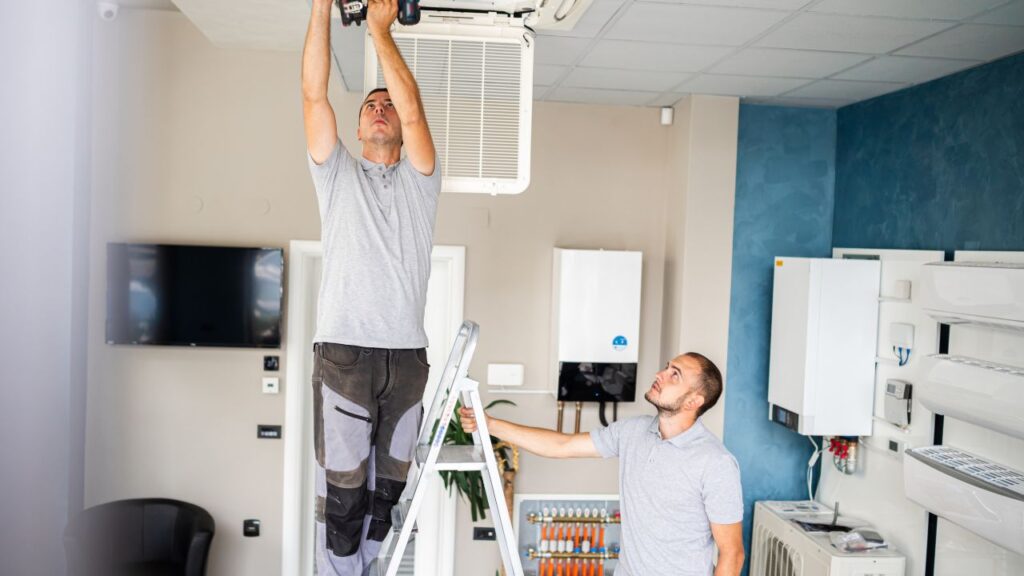
These are inspections that you can plan regularly (we recommend once per quarter) in order to make sure that everything is functioning as it should be. A routine inspection should cover both the interior and exterior of the home.
Move-Out Inspection
This is a walk-through that you can do with your tenants at the end of their lease to assess any damage that may have occurred during their tenancy. Make sure to compare this inspection with the move-in inspection report that you did at the beginning of the lease.
Will the Seasons Affect My Rental Property Maintenance?
Yes! Depending on where your rental property is located, you will have to adjust your maintenance approach each season. Different weather conditions will call for different preventative measures and repairs, so make sure to take this into consideration when you are planning your maintenance schedule for your property.
- Winter
- Prepare your pipes for the colder months by re-wrapping them with new insulation. This will help to prevent your pipes from freezing and bursting when the weather gets to its lowest temperatures.
- Every couple of years, make sure you flush the water heater on the property to avoid the buildup that can happen in the colder months of the year.
- Inspect the roof of the property and repair any cracks or damages that could eventually lead to water damage.
- Spring
- Clear your property’s rain gutters in addition to any debris around the foundation of the home that may have built up over the winter season.
- Take this time to consider any landscaping improvements that you could make to the exterior of the property. This could include planting shrubbery or incorporating a garden.
- Give the exterior areas of the home a good power wash and fix any chips or cracks that could lead to water damage.
- Before the warmer months arrive, conduct an inspection of your HVAC system.
- Summer
- Make sure that any and all outdoor amenities that your rental property has to offer are clean and ready to use and enjoy.
- Inspect all of the gates and locks on the property to make sure that they are functioning and rust-free.
- Inspect your property’s outdoor water systems for leaks and ensure that they are all functioning properly
- Consider implementing seasonal pest control measures that can help prevent ants, spiders, bees, wasps, or other insects from invading your property and bothering your tenants.
- Fall
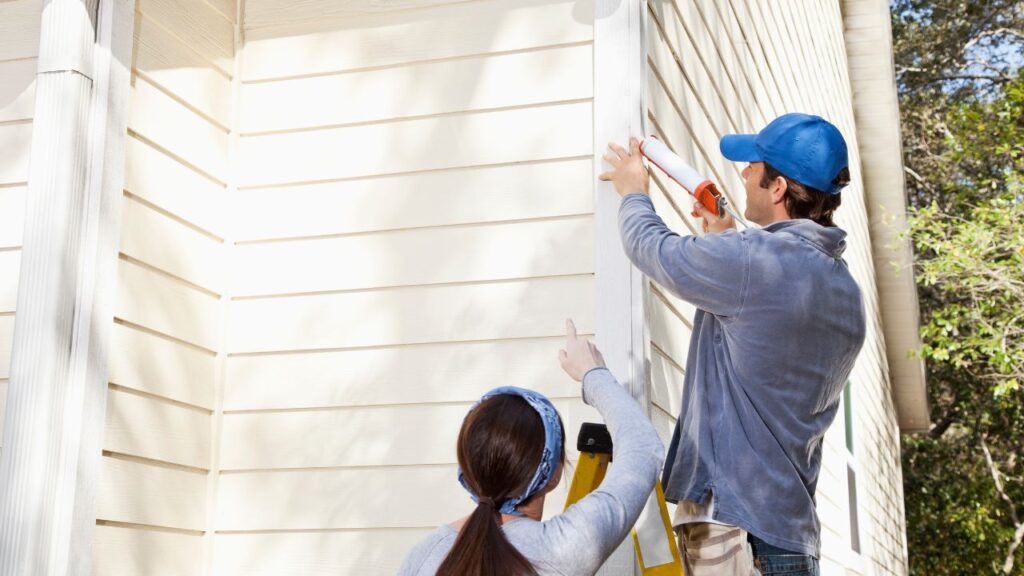
- Conduct an inspection of the exterior areas of your rental property. Be on the lookout for things like loose roof shingles, loose siding, and areas that need to be caulked or re-grouted. This will help you to prevent small issues from growing into larger, more costly repairs.
- Run a complete and thorough safety inspection of the outside areas of the property such as driveways that may be unlevel or surfaces that could be tripping hazards as the weather gets more cold and wet.
- Inspect the gutters of the home to make sure they are not clogged, as this could create ice jams as the temperatures get colder.
Rental Maintenance: Bottom Line
Property maintenance ends up being one of the most time-consuming responsibilities for property owners, especially those who are self-managing. When you work with a property manager, you get to enjoy the benefits of owning a rental property without having to keep track of every legal requirement and maintenance task.
Working with a property manager makes keeping your property in the best condition possible easier than ever! If you have any other questions regarding how to help your rental property succeed, contact Blanket today!