

When you are getting ready to find a new tenant for your vacant rental property, there is a lot that you have to do to prepare. From getting the unit ready to marketing the property, it can seem like there is an endless amount of work to be done.
However, one of the most important things when it comes to finding a new tenant is creating a solid listing to advertise the property. Without it, your new tenant may not be able to find their new home in the first place!
The goal of your rental property listing is to attract a wide pool of qualifying tenants. This means that you have to put in the time to make your property look its best. While this may seem like an overwhelming task, we guarantee that if you follow the steps we have listed below, you will be sure to attract more prospective tenants than ever before.
Write a Strong Opening Statement
The opening statement of your rental property listing is a crucial part of the ad. Within seconds, prospective tenants can choose whether or not they want to learn more about the home or keep simply scrolling.
If you want your audience to keep reading you have to give them a reason to be interested in your rental property. You can do this by using the right descriptive words that will catch a renter’s eye and make them want to know more.

For example, here are some opening statements that could use some work:
- This house in Dallas has a big living room.
- Look at this 2 bed 1.5 bath apartment.
The statement above won’t intrigue readers as they are just a basic description of the rental property. There is no emotion or individuality to catch a reader’s attention, and they may just continue their search without giving your property a chance.
If you want to find a new tenant, you’ll have to make a more unique statement. Here are some examples of good, eye-catching opening statements:
- This one-of-a-kind ranch-style home is blocks from countless local restaurants with a large, fully fenced yard that is perfect for entertaining.
- Check out this stunning 2 bedroom, open-concept apartment with hardwood floors and all new appliances.
If you describe the distinct style of the property and its amenities, readers will have an easier time immediately picturing themselves living there, which will effectively pique their interest and get them to keep reading.
Include an Eye-Catching Headline
Along with the opening statement of your listing, your headline will be one of the first things that your prospective renters will see when they come across your rental property listing. That’s why you have to make sure that you are able to write a strong one! Make your headline short, punchy, and attention-grabbing.
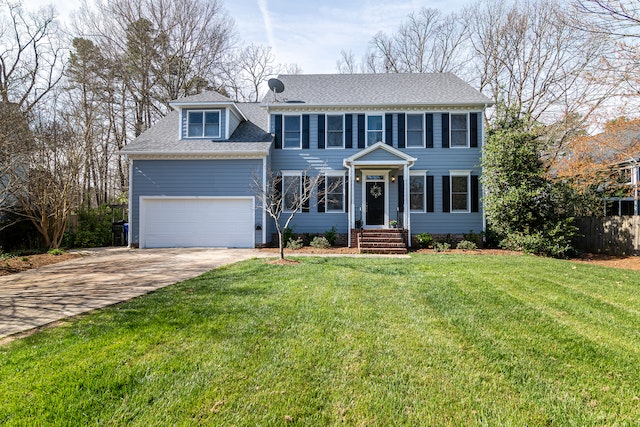
The best way to do this successfully is to mention the specific area or its main selling feature. Here are some strong examples of real estate listing headlines:
- Stunning cottage-style home in the heart of Providence.
- Newly renovated townhome you don’t want to miss!
- Spacious apartment with a stunning view of the city.
You can choose a few positive words to describe the property’s style, location, and unique features.
So what should you avoid including in your rental property listing’s headline? We recommend that you avoid using all caps in the headline, as this can overwhelm the reader. This goes for the description as well.
You will also want to avoid exaggerating the features of your property too much, as this can come across as disingenuous or sales-forward. In short, you will want to keep it to the point, clear, and confident.
Be Strategic with Your Word Choice
The description section of your ad will carry a lot of weight when it comes to whether or not a tenant will be interested in your property. Before you begin to dive into the main description of the property in the listing, we recommend writing a list of all the property’s best features.
This will help you to focus on the property’s best-selling features, making sure the description is as specific and accurate as possible. Then, you can go ahead and put all the items on the list in a stellar description of your rental property.
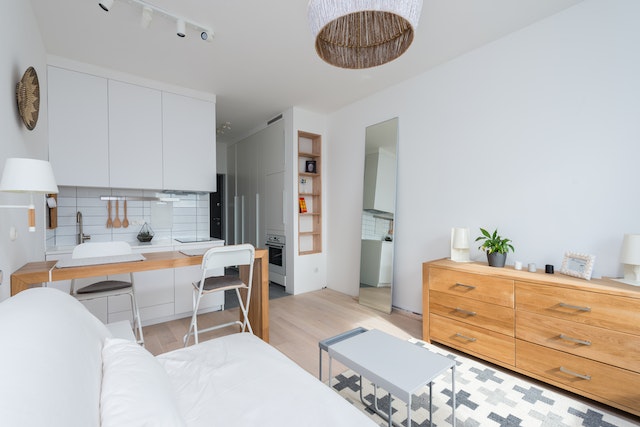
You will want to avoid using vague descriptors such as good, pretty, or amazing in the listing. Instead, we recommend using adjectives that will spark interest in the renter, such as luxurious, modern, updated, granite, hardwood, newly renovated, well-maintained, or quaint.
This will help prospective tenants take note of your rental property and see more than just the price. When choosing the words that you will use to describe your rental property, try to appeal to the readers’ emotions, as this will be the best way to get a prospective tenant to take action.
Highlight the Most Unique Features of the Property First
The best practice for creating a listing for your rental property is to highlight its most unique feature before you mention any other selling points of the property. Your goal is to include details that make your property more special than the other ones that a prospective tenant may find in their search.
For example, if your rental property has a particularly spacious and private backyard, this should be included near the beginning of the description. Or, if the primary bedroom is larger than most, include that detail.
Then, you can begin to highlight other important aspects of the property such as large windows that bring in a stunning amount of light or original hardwood floors.
After you have gone through the more unique features of the property, you can talk about assets like a central AC unit or a newly upgraded bathroom.

Be Detailed, but Concise
When it comes to writing a listing for your rental property your goal is simple: include important details about the property, but keep it brief. Prospective tenants don’t want to read a novel when they are looking for a place to live!
Either way, whatever platform you are posting your listing on will most likely have a word limit. We recommend keeping your rental property description under 200 words.
With such little space allotted to you before your potential tenants give up and stop reading, you will want to make sure that each sentence that you include truly packs a punch. So, what aspects of your property do you want to mention?
After you have written out the more unique amenities, you will need to write the essential information about the property such as the address, the square footage, and the price. You will also want to list out the bedrooms and bathrooms of the property and state whether or not it has a garage or parking space.
These are the main things that new tenants will want to know when looking for a new place to live.
Further, you will want to describe the neighborhood as well. For example, parents of young children will want to know about nearby schools, and young students may want to be closer to bars and restaurants. Use the nearby attractions, venues, and businesses as a selling point to gain the prospective tenant’s interest.
Avoid Using Negative Language
Even if your rental property is in need of upgrades or renovations of any kind, you won’t want to mention its flaws in your listing description. Whether you are describing an older property or a brand new build, any and all content for a rental property listing must be purely positive in order to be truly effective.
As a tenant is on the hunt for a new place to live, they will most likely steer clear of any negativity that they spot on the listing.
If you are strategic about it, there are ways to describe what your property lacks in a positive way. For example, a tiny kitchen can be described as “efficient”. A small bedroom can be marketed as a workspace or a playroom. A lack of yard space can mean that the tenant won’t have the responsibility of yard care.
At the end of the day, while writing your listing, you will be much more successful in choosing the focus on what your property does have to offer over what it doesn’t. You don’t want to lie or over-exaggerate, but you always want to keep the tone positive and exciting.
Include Any Qualifiers for Prospective Tenants
One of the most important things that any landlord can do to remain successful is to screen tenants thoroughly before choosing someone to live in their rental property.

But did you know that you can start your screening process before you have even interacted with any prospective tenants? This happens by including any qualifiers that you may have for your next tenant in the description of the property.
For example, let’s say that you do not allow pets on the property. It is crucial to include this in your rental listing so that you do not accidentally attract renters who own pets and are looking for a pet-friendly home to move into.
Stating your stance on pets right at the beginning can save both you and the renter time and energy, allowing them to simply keep looking for a different property that meets their needs.
Further, by putting qualifiers in the description of the property, you can let tenants know that you are serious about taking care of your rental property and that they can trust you to put care into the place that they will live in.
They will also know that in order to live in the property, they will have to treat the property as if it is their own. This is a great way to weed out any irresponsible tenants and prevent them from applying.

Include Any Promotions That You Have in the Listing
If you want to take your rental property listing to the next level, you may want to consider including some sort of limited-time offer or promotion. This can really help if you are in a rush to find a tenant quickly. This would be included at the end of your listing.
For example, you could offer the first month of rent for half off or free pet rent for the first four months. This will give a tenant further incentive to apply to the property, as they will most likely love the idea of saving some money on rent.
It may cost you some money to offer a promotion like this, but in the end, it will cost you less money than a vacant property will.
Proofread, Proofread, and Then Proofread Again
The worst thing that you can have in your rental property listing is typos. So, before you post your ad online, make sure to proofread. Then, we recommend taking at least 10 minutes away from the ad, then coming back and reading it with fresh eyes.
Whether it is a spelling mistake, a grammatical error, or a sentence that could simply be structured more effectively, you will be glad that you took the time to make sure your listing description was the best it can be.

Taking it a step further, we also recommend sending the listing to a few people on your team to proofread it for you.
Sometimes, a pair of new eyes can help spot errors that you didn’t see at first, so having multiple people on the job can help you perfect the description. After all, it can be all too easy to miss things like punctuation, grammar, and spelling.
An outside perspective can also help you strengthen the quality of your property description. This is especially true if you enlist a colleague who also works in real estate and can give you some insight on how you can best represent the property successfully.
Close with a Strong Call to Action
At the end of your listing, you will want to let the prospective tenant know what their next steps are through a call to action. How can they apply for the property? Where can they go to see more pictures of the rental property? Are they able to request an in-person tour?
Include all of these details at the end to encourage renters to take the next step and reach out. Provide all of your contact information, including your email address, phone number, and your property management company’s website.

Bottom Line
As a rental property owner, if you have yet to find a high-quality tenant to occupy the space, your top priority should be advertising your rental property. This means creating an excellent and eye-catching listing that will attract a wide pool of prospective renters who will be eager to apply!
By following the steps that we have listed above, we are confident that you will be able to make a strong listing that helps you and your rental property succeed.
Working with a property manager, if you don’t already, can also be a huge help. They’ll know how to advertise your property effectively and make sure you find quality tenants in no time.
If you have any more questions about how to advertise your rental property, contact our team at Blanket for our expert advice.