

This issue of Pillow Talk, our weekly newsletter, went out by email on September 15, 2026. Get the next one.Editor's note, October 2026: This issue describes Blanket as it was when it was sent. Product names, packages and features have changed since, and some work differently today. By default, every message the AI drafts waits for your team's approval before it sends. Today, unlimited pipelines come with Super Broker and the Bundle, and the number of users depends on your plan.
Hey friend,
Sagi here, Co-founder and CTO of Blanket.
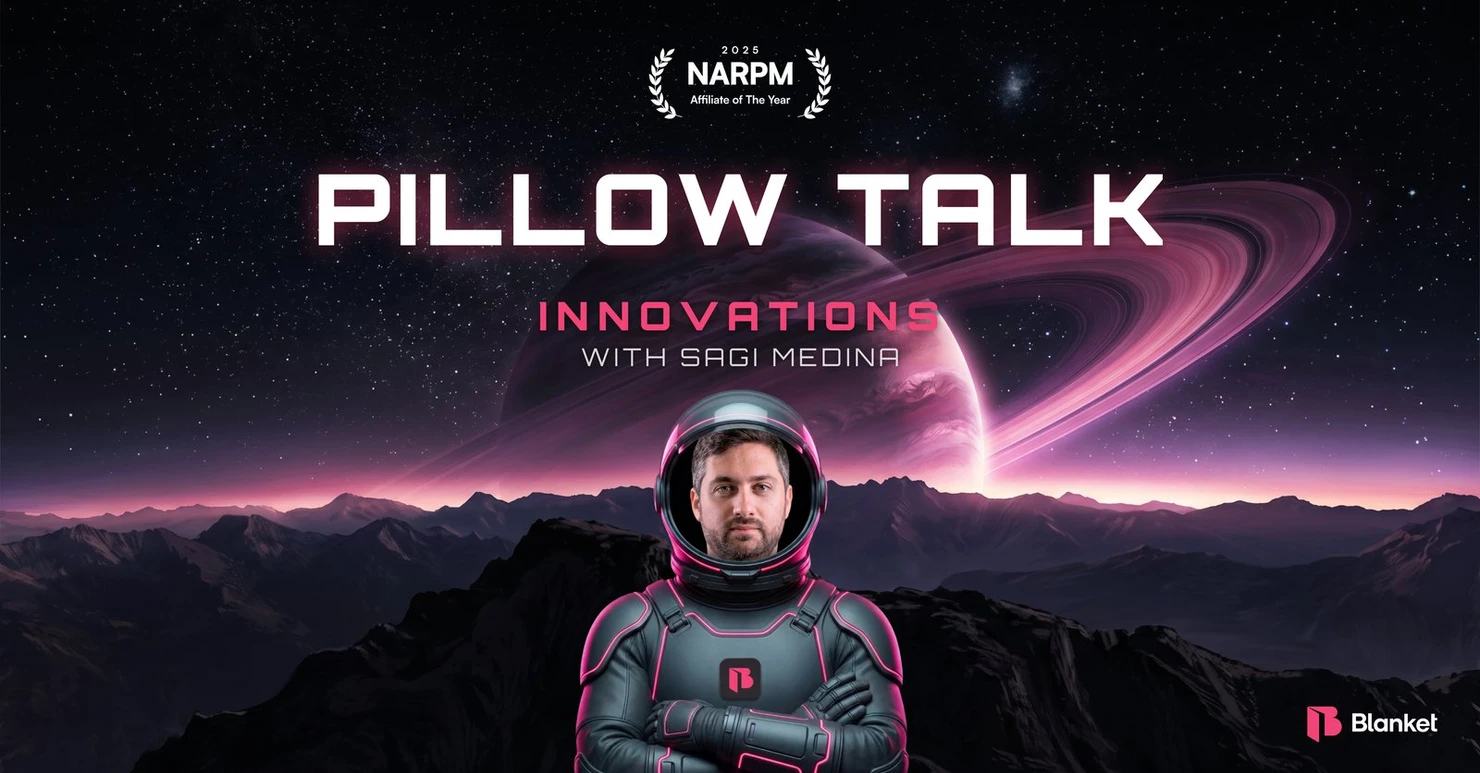
Welcome to edition #9 of Pillow Talk Innovations, the newsletter where I share Blanket product updates, new releases, and explain the tech that powers them.
CRM migrations now take 1-2 days. How?
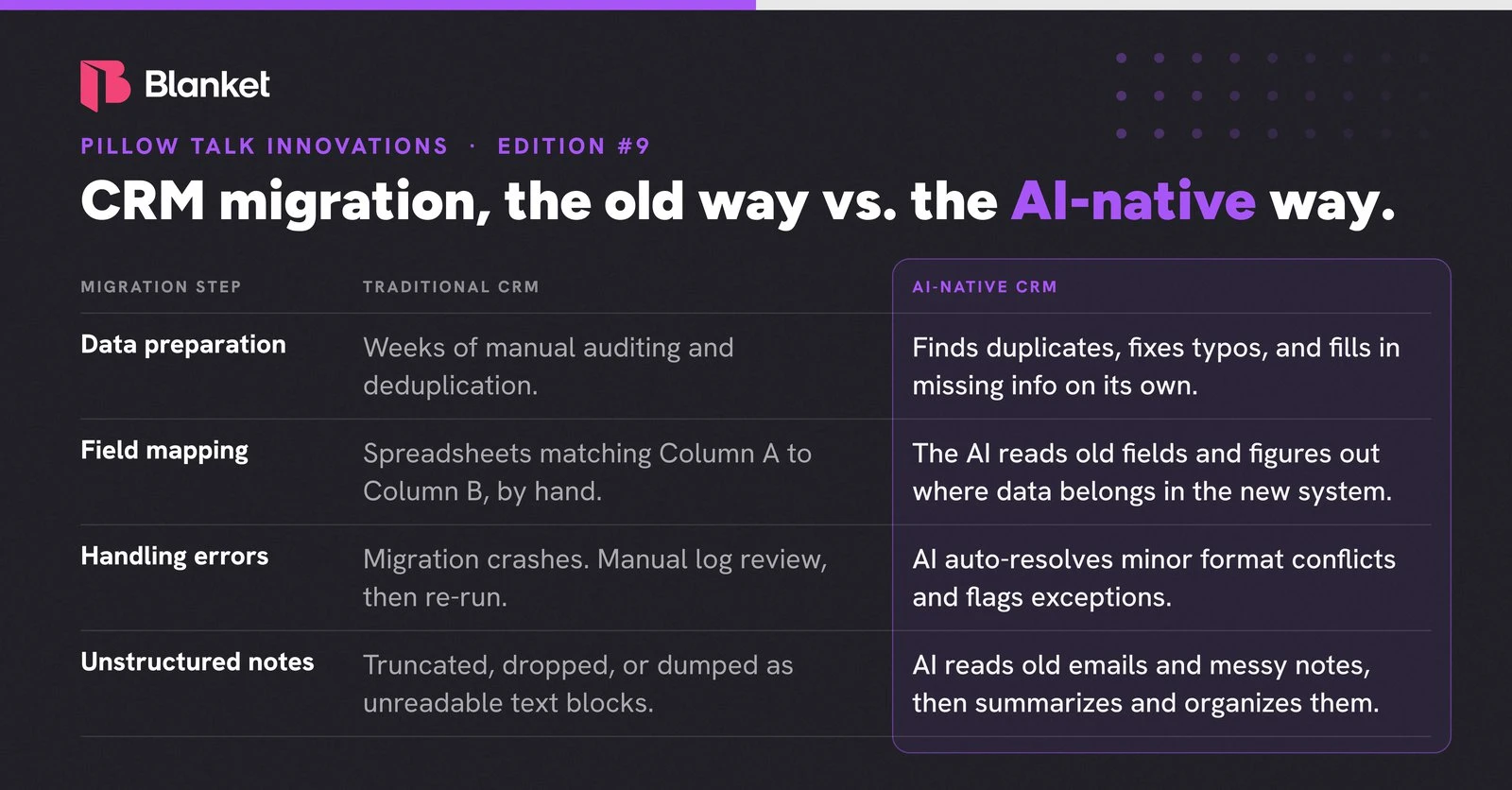
We just released the first AI-native CRM for property managers, and one of the benefits we’re highlighting is our fast migration process.
Traditional CRM migrations are notoriously slow and painful, but a necessary evil. I’ve heard tons of horror stories of the month’s-long, agonizing migration process property managers have survived, including one that described it as an “unmitigated disaster” that ran for 3+ months and the end result was full of corrupted/mis-mapped data.
AI-native platforms have completely upended this experience through several core capabilities. I get into each one below.
1. Reduced Manual Mapping
It used to be that humans had to figure out how fields in the old CRM translate to the new one, which is super tedious and prone to error. And when you have dozens and dozens of fields many of which are custom, mapping can take weeks.
AI-native CRMs almost completely eliminate manual mapping. They use LLMs to read and understand the intent of the data in your fields and then map it to the new system. All in 1-2 days. It’s a completely different migration experience.
2. Reduced Data Cleaning
Legacy data is often so full of duplicates, formatting errors, and missing information that fixing it can take weeks.
AI-native CRMs automatically deduplicate and standardize data in a matter of minutes.
- Deduplication: AI identifies duplicate contacts based on intent and context, not just exact string matches.
- Standardization: AI automatically reformats phone numbers, addresses, and company names.
3. Preserved Emails, Notes, and Files
Traditional migrations really get bogged down with unstructured data, such as raw text from email threads, call notes, or PDFs. But because they’re built around an AI model, AI-native CRMs can read, understand, and organize unstructured notes. This means historical context isn’t lost or left behind in old text fields.
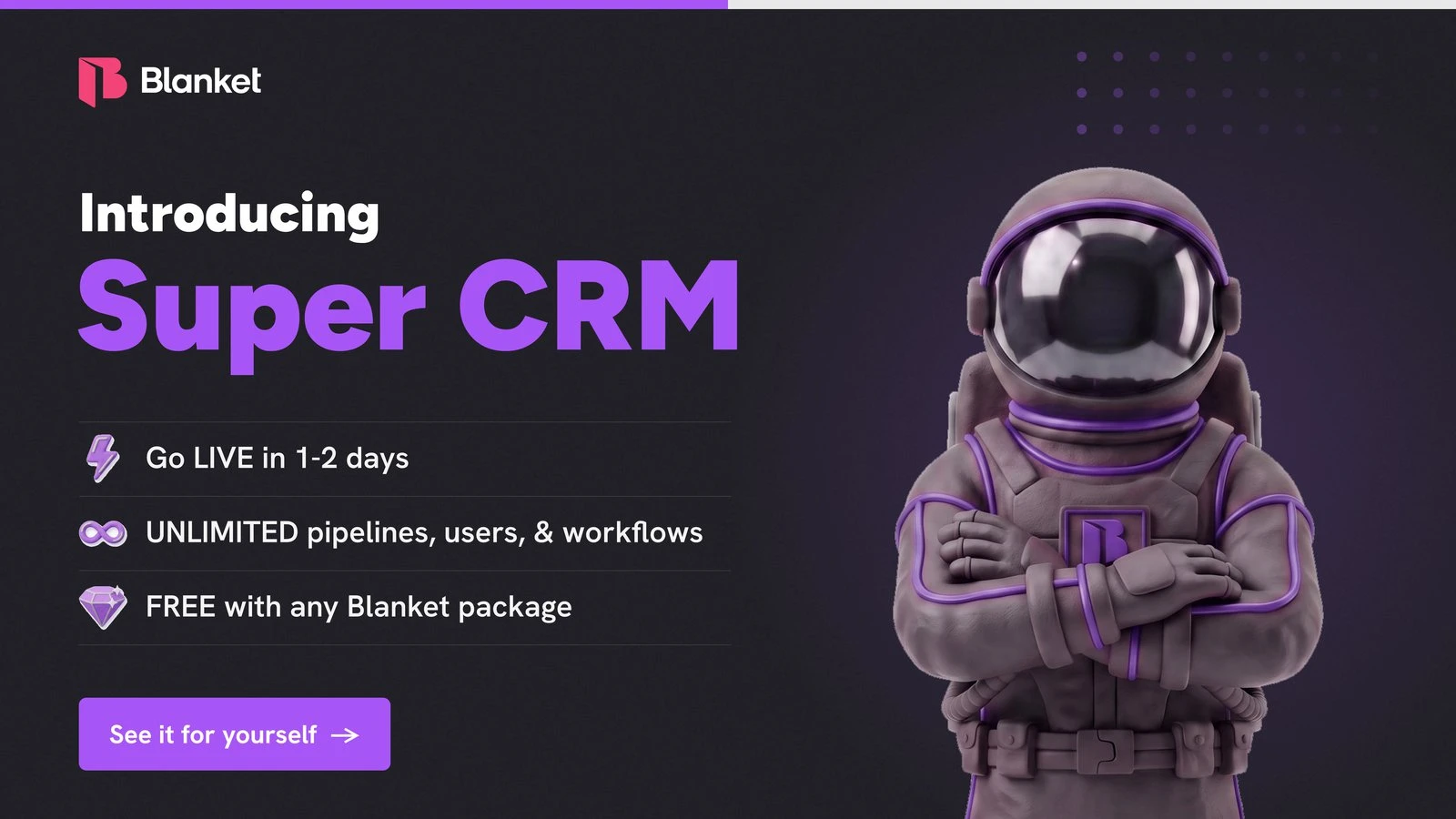
The CRM that Goes LIVE in 1-2 Days
Here’s the problem with traditional CRMs 👉 They depend on human input.
⚠️ They depend on employee discipline to log updates.
⚠️ Database quickly suffers from duplicate contacts and outdated info unless scrubbed manually.
⚠️ Workflows are manually built with complex, conditional if/then logic.
But Super CRM is built around an LLM that does that work for you. Humans oversee the AI and only intervene when needed for approvals or corrections, known as “human-in-the-loop.”
☑️ Super CRM automatically extracts and logs details from customer conversations and links to interactions.
☑️ Automatically deduplicates records during migration
☑️ Build your workflows based on plain language instructions.
Good night 😴
Sagi Medina
Co-founder, CTO
Pillow Talk
Get the next issue.
Unfiltered property management commentary - plus the tech shaping its future. Free, every week.