

This issue of Pillow Talk, our weekly newsletter, went out by email on April 2, 2026. Get the next one.Editor's note, October 2026: This issue describes Blanket as it was when it was sent. Product names, packages and features have changed since, and some work differently today. By default, every message the AI drafts waits for your team's approval before it sends.
Hey friend,
Welcome to the 35th weekly edition of Pillow Talk! This is where I share my unfiltered thoughts on life, business, and property management.
This week, I’m sharing 5 tips for building a great owner communications program.
Two weeks ago, I wrote in this newsletter that one reason owner churn is such a difficult challenge is that it has many qualitative causes, meaning the precise reason depends on the owner. A perfect example that we hear property managers cite again and again is “poor communication.”
The definition of poor communication is highly dependent on the owner’s preferences. It can range from slow communication, unclear communication, overcommunicating, undercommunicating, etc. Even those categories don’t give you actionable information. How slow is too slow? How much is too much? The only way to know is to ask each owner, which leads me to my first tip for building a great owner comms program:
Capture comms preferences during the onboarding
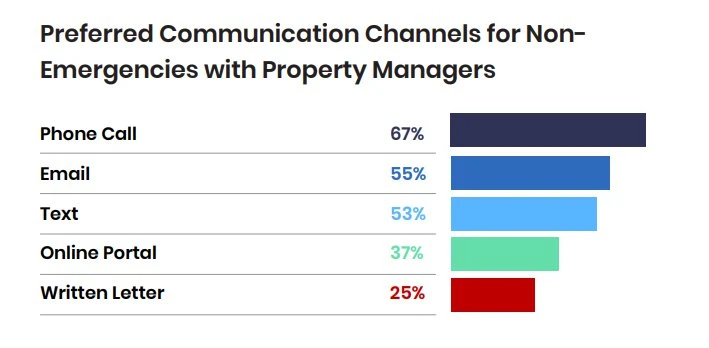
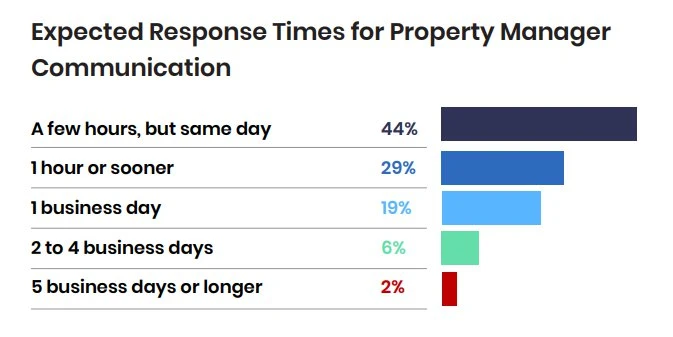
We already have a lot of good data regarding owner communication preferences and expectations thanks to LeadSimple and Peter Lohmann. They teamed up in 2024 to produce the PM Trends Report. They surveyed over 750 individual landlords and discovered 2 preferences that are probably universal:
1. Most owners prefer phone calls, emails, and text messages (in that order) for routine communications.
2. Most owners expect a response the same day.
I think these preferences are safe to assume, although it couldn’t hurt to still ask. Besides those, here are few other preferences you’ll want to capture during the onboarding:
1. Do not contact windows. Ask if there are any times during the day/week/month when they should absolutely not be contacted unless it’s an emergency.
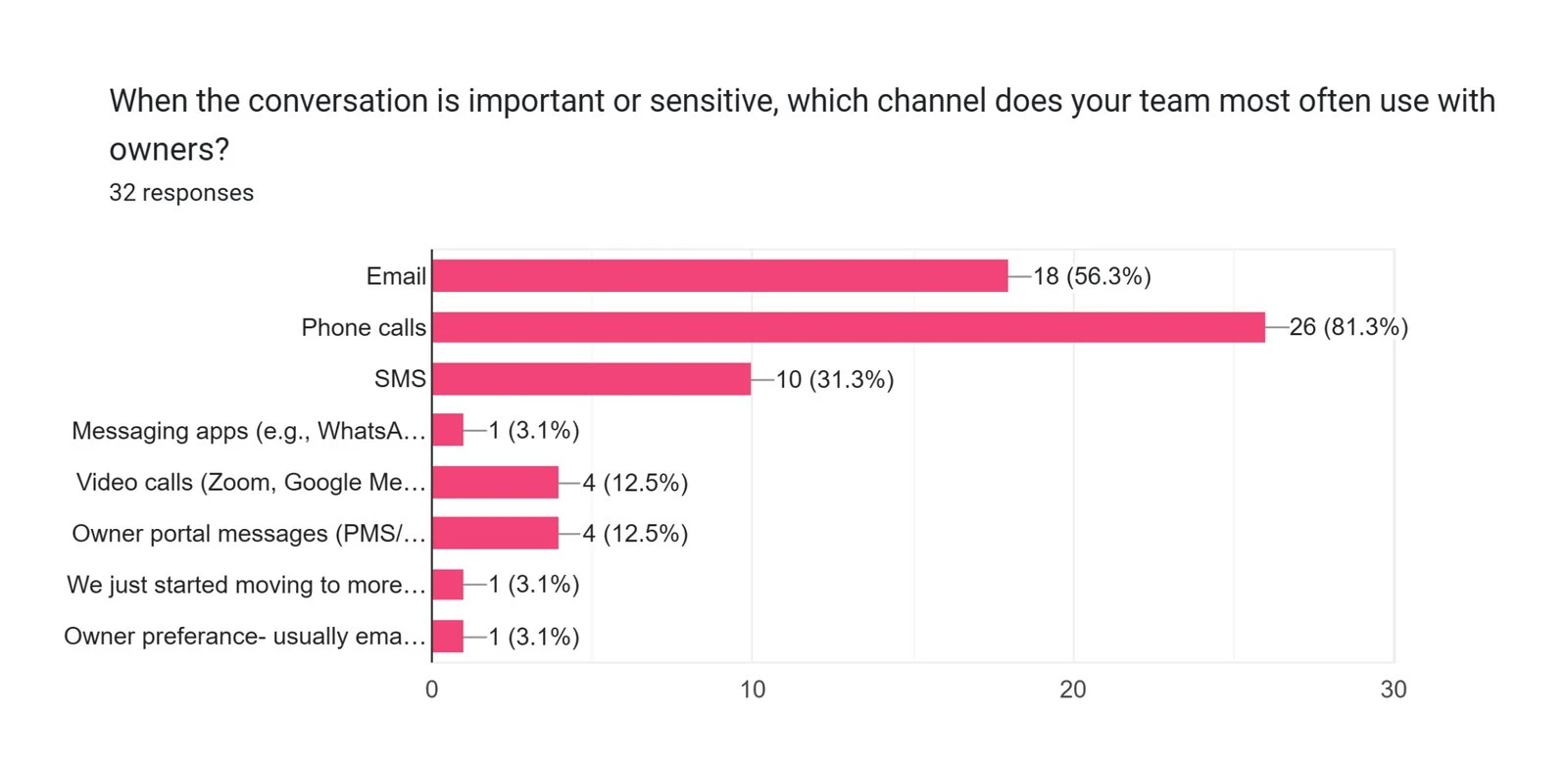
2. Emergency preferences. Align on what is considered an emergency, and ask how they want to be contacted if an emergency occurs. We surveyed 32 property management companies last month and asked what channels they use for important or sensitive conversations. The overwhelming response was phone calls, backed up with email and SMS.
3. Maintenance spend approvals. Some owners want to approve every single work order. Others don’t care so long as it’s under a certain amount per bill/month/quarter, etc.. Establish those guidelines during the onboarding process.
4. Non-essential communications. Can you contact them if it’s not directly related to their property? For example, investment opportunities, market updates, or educational content on SFR investing. These types of communications can help build a strong brand, but not everyone wants them.
Make sure communication history is accessible
NOTHING is worse than having to explain yourself multiple times to multiple reps. If your team can’t quickly access email, text, chat, and call history, it will impact the quality of your communications because they won’t have the context they need to solve the owner’s problem.
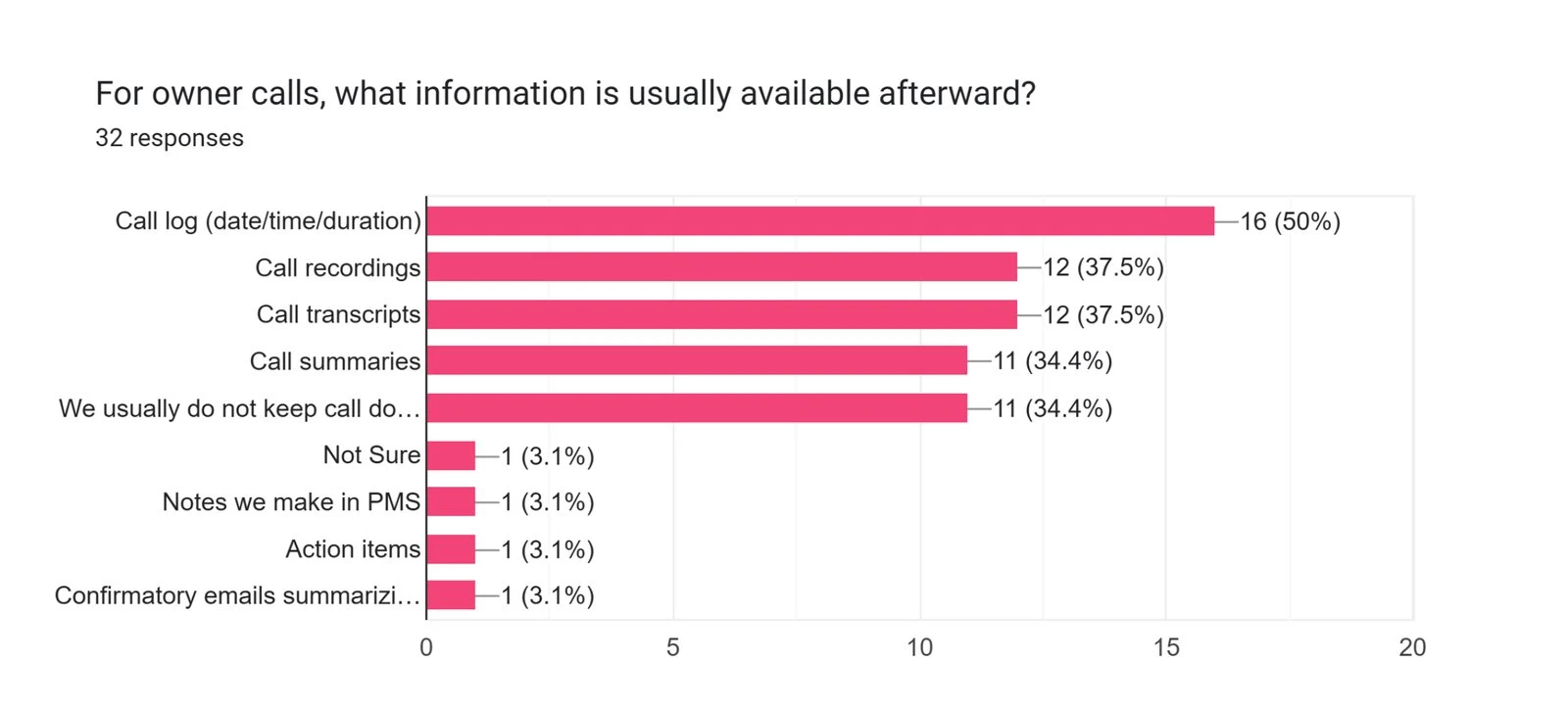
The best way to do this for now is to store the history somewhere anyone in the company who needs it can access it. 15% of the property managers who responded to our owner comms survey store it in their CRM (LeadSimple, Aptly), 25% in their PMS, and 25% in their VOIP system.
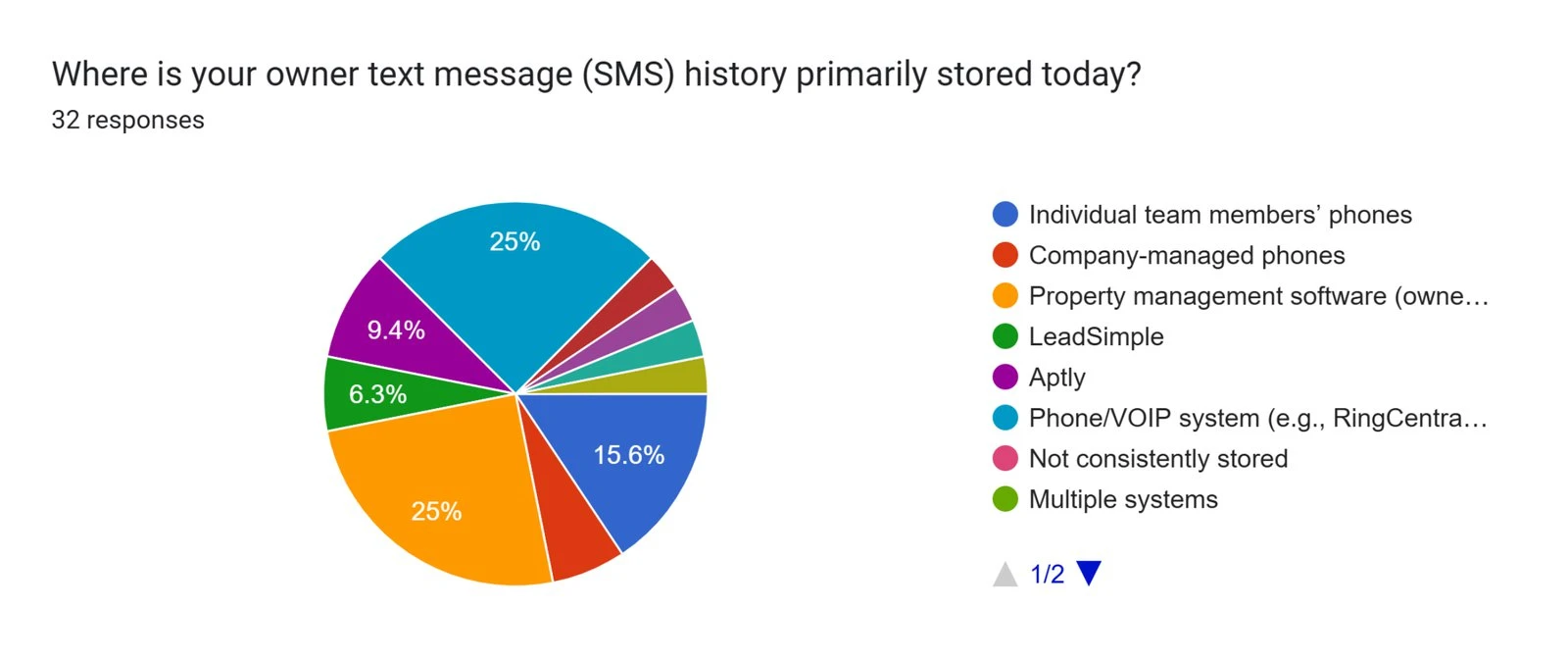
Those are good solutions because they’re centralized. The trick is to make sure your team leaves detailed notes and summaries in those systems as a matter of policy.
When it comes to calls specifically, I recommend storing detailed summaries. Recordings and transcripts are great, but reviewing them is tedious. Only 11 PMs who responded to our owner comms survey do this. If your VOIP doesn’t generate a summary, you can throw call transcripts into ChatGPT and have it summarize the call. Saves a lot of time.
Give owners a single point of contact
Deb Newell says “reduced friction is one of the most underpriced differentiators in PM.” And a single point of contact reduces A LOT of friction for owners. We’ve all experienced this in our own lives. It’s the difference between calling AT&T and going through 3 switch boards and 2 escalations to finally get on with the right person, and calling a local business that knows you by name and remembers your last conversation.
This is easier if you run a POD or portfolio-style company structure. But if you run departmental, you can still achieve a single point of contact by incorporating a customer success manager.
Communicate thoroughly
One of the goals of your communication program should be eliminating as much back and forth as possible, also known as ping-ponging 🏓🏓
We interviewed Matthew Whitaker a while back and the way he put it was anticipating the next question. If there’s anyone capable of that, it’s property managers, because you see the same problems and get the same questions day after day after day. But it might be the owner’s first time dealing with it. You will build a lot of trust if you can look beyond the question and address the root issue.
Communicate proactively
Proactive communication is a mindset that has to be built into your business. The best methodology that I know of is creating more routine positive touchpoints. This basically means proactively and systematically delivering good news. Things like a cheaper-than-expected unit turn. Filling a vacancy faster than expected. Investment opportunities. Most property managers only proactively communicate bad news, which is a recipe for a poor owner experience.
Good night 😴
WE CAN HELP – Blanket’s Grow package includes automated email communications that update owners with tailored investment opportunities available on our exclusive marketplace. And our Retain package automatically sends owners portfolio updates that keep them engaged with their property’s performance.
See Retain and Grow for Yourself
Lior Abramovich
Co-founder, CEO
Pillow Talk
Get the next issue.
Unfiltered property management commentary - plus the tech shaping its future. Free, every week.